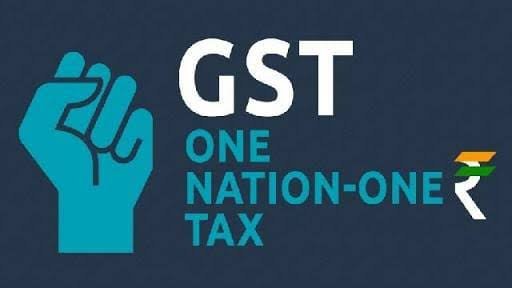
One Nation. One Tax. Sounds simple, right? It took 17 years in the making.
Discover the 17-year journey of India’s GST (Goods and Services Tax) — from policy debates to nationwide implementation. Learn how “One Nation, One Tax” transformed India’s indirect tax system, its challenges, political milestones, and economic impact
But India’s GST wasn’t born in a year, it took 17 years of politics, protests, and patience.
The tax reform referred to as “One Nation, One Tax” that took approximately 17 years to implement in India is the Goods and Services Tax (GST).
The journey of the GST in India can be traced back to the year 2000, when the then Prime Minister Atal Bihari Vajpayee’s government set up a committee, headed by the finance ministry’s advisor Vijay L. Kelkar, to design a GST model for the country.
Here’s the full story of how chaos turned into clarity
➡️The idea of a unified tax system wasn’t born in 2017.
It started way back in 2000, when Prime Minister Atal Bihari Vajpayee formed a committee under Asim Dasgupta, the finance minister of West Bengal.
Their mission: simplify India’s complex indirect tax maze.
➡️Before GST, every state had its own taxes – VAT, octroi, entry tax, luxury tax, purchase tax , you name it.
And the Centre had excise, customs, and service tax.
A truck crossing state borders carried more paper than goods. (Pun Intended)
➡️The goal was simple: create a seamless national market. But the execution? *Not so simple* .
States feared losing their tax autonomy. The Centre feared losing revenue control.
Politics entered the chat.
➡️In 2006, Finance Minister P. Chidambaram officially announced a roadmap for GST with a target date i.e. April 1, 2010.
Spoiler: it didn’t happen.*
Coalition politics, lack of consensus, and state elections kept delaying it.
➡️Then came 2014, a new government, a fresh push.
Finance Minister Arun Jaitley took charge of turning the dream into reality.
He did what no one had managed for over a decade, he got all states to agree on one system.
➡️After marathon meetings, countless drafts, and heated debates, the 122nd Constitutional Amendment Bill was passed in 2016.
This gave legal backing to create the GST Council, where both Centre and States would share power.
➡️Finally, on the midnight of July 1, 2017, in a special Parliament session, Prime Minister Narendra Modi launched GST, calling it “Good and Simple Tax.”
History had come full circle.
➡️The early days were rough. The portal crashed, filings failed, and small businesses panicked.
Complex return structures and frequent rule changes made it anything but “simple.”
➡️But over time, GST began to settle. Filing systems improved. E-invoicing, automated matching, and simplified returns brought transparency.
States got assured compensation for revenue loss.
➡️Today, GST contributes nearly one-third of India’s total tax revenue. Collections consistently cross ₹1.5 lakh crore a month.
And despite many flaws, it’s created a more unified and efficient tax ecosystem.
➡️From Atal to Modi, from Asim Dasgupta to Arun Jaitley, it took 17 years, 5 finance ministers, and endless negotiations to make it happen.
➡️GST wasn’t just a tax reform. It was a test of India’s federal democracy, where cooperation finally beat chaos.
One Nation. One Tax. 17 years in the making.
Intellex Strategic Consulting Pvt Ltd
More Featured Articles:
RBI FLA Return 2026: Compliance Challenges for GIFT IFSC Entities Under FEMA Explained.
MCA Eases DIR-3 KYC Compliance: New 3-Year Filing Rule for Directors from 2026.
Ultimate Guide to Singapore Company Registration 2026: Rules, Costs, and Compliance.
The Ultimate Guide to Company Registration in Dubai 2026: Benefits, Compliance, and Costs.